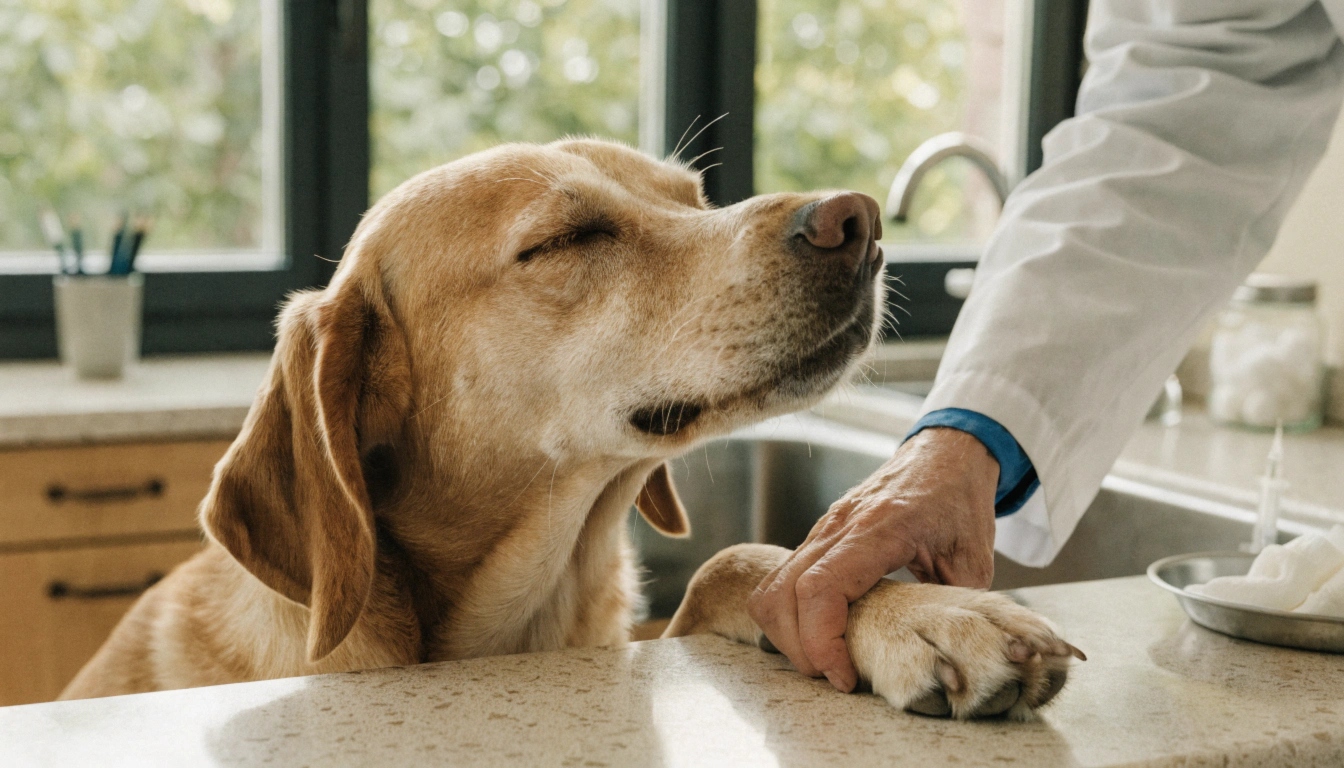

The First Vet Visit: What Every New Pet Parent Should Know
Key Takeaways
- Schedule your pet's first vet visit within the first week of bringing them home
- Bring paperwork, food details, a stool sample, and your questions
- Expect a 30-45 minute visit covering physical exam, vaccines, parasite check, and nutrition
- Practice short car rides beforehand to reduce stress
- Log everything from the visit so you have a baseline for future reference
Why the First Visit Matters
The first veterinary visit sets the foundation for your pet's lifelong health. Whether you've adopted a puppy, kitten, or an older rescue, this initial check-up gives your vet a baseline to measure everything against going forward. Think of it less as a test and more as a friendly introduction between your pet and the person who will help keep them healthy for years to come.
Most vets recommend scheduling this visit within the first week of bringing your pet home. Even if your new companion seems perfectly healthy, early detection of issues like parasites, heart murmurs, or congenital conditions can make a significant difference in outcomes.
What to Bring
Walking in prepared makes the visit smoother for everyone, especially your pet. Here's what to have ready:
- Any paperwork you received from the breeder, shelter, or previous owner, including vaccination records, microchip information, and medical history
- A list of the food your pet is currently eating, including brand, type, and how much you're feeding
- A fresh stool sample in a sealed bag (your vet can check for parasites)
- A secure carrier or leash so your pet is safe in the waiting room
- Your questions written down, because it's easy to forget them in the moment
What to Expect During the Visit
A typical first visit lasts about 30 to 45 minutes. Your vet will likely:
- Perform a full physical exam including checking eyes, ears, teeth, heart, lungs, abdomen, skin, and coat
- Weigh your pet to establish a baseline weight
- Discuss vaccination schedules and administer any vaccines that are due
- Check for parasites using the stool sample or a quick blood test
- Talk about spaying or neutering and the recommended timeline
- Discuss nutrition and whether your current food is appropriate for your pet's age and breed
Tip
Don't be afraid to take notes during the visit. There's a lot of information to absorb, and having it written down helps you follow through at home.
Questions Worth Asking
Your vet has seen it all, so no question is too small. Here are some good ones to start with:
- What vaccines does my pet need, and on what schedule?
- Are there any breed-specific health concerns I should watch for?
- What's a healthy weight range for my pet?
- How often should I bring them in for check-ups?
- What are the signs that something might be wrong?
- Do you recommend pet insurance, and if so, when should I enroll?
How to Prepare Your Pet
The car ride and the waiting room can be stressful for a pet experiencing it all for the first time. A few things that help:
- Practice short car rides in the days leading up to the visit so the car doesn't only mean "going to the vet"
- Bring treats to reward calm behavior and create positive associations
- Stay calm yourself, because pets pick up on your anxiety more than you might think
- Arrive a few minutes early so you're not rushing, and give your pet time to sniff around the waiting area
After the Visit
Once you're home, give your pet some quiet time to decompress. Jot down anything the vet mentioned while it's fresh in your mind, especially medication instructions, follow-up dates, and dietary recommendations.
This is also a great time to set up a system for tracking your pet's health going forward. Vaccination dates, weight measurements, medication schedules, and vet notes all add up quickly, and having them organized in one place saves real headaches down the road.
Keep Everything in One Place
That stack of paperwork from the vet, the vaccination card from the shelter, the reminder to schedule a follow-up in three weeks -- it's a lot to manage, and things get lost. Pawey's health records feature lets you log everything from that first visit onward: vaccinations, weight, medications, and vet notes, all accessible from your phone whenever you need them. It's one less thing to worry about as you settle into life with your new companion.
Written by
Pawey Team
The Pawey Team shares tips and guides to help you give your pet the best care. Follow our blog for the latest in pet health, wellness, and more.