
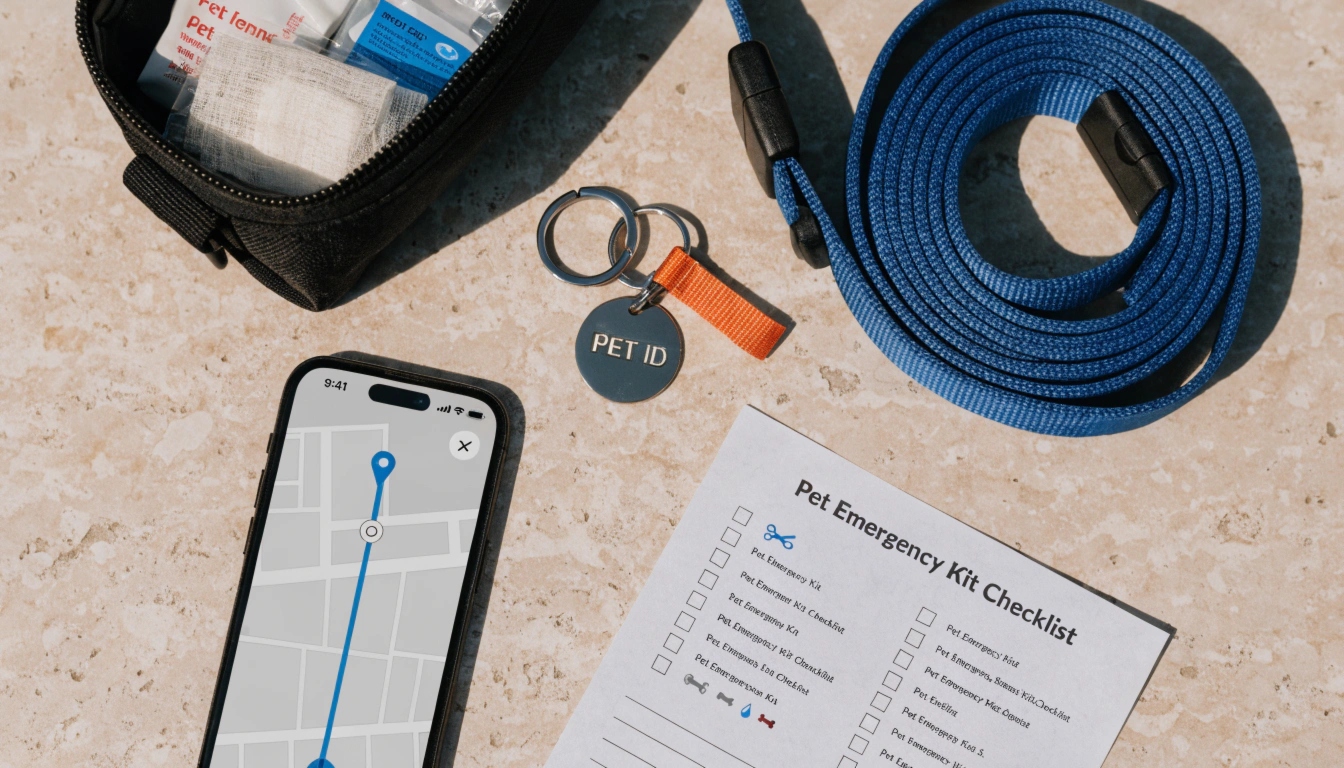
Building a Pet Emergency Plan: Be Ready When It Counts
Key Takeaways
- Find and save your nearest emergency vet's number, address, and hours now -- not during a crisis
- Assemble a pet first aid kit and check it every six months
- Keep your pet's medical records, medications, and allergies accessible on your phone
- Learn basic first aid for bleeding, choking, poisoning, heatstroke, and seizures
- Include your pet in your household disaster evacuation plan
Why You Need a Plan Before You Need It
Nobody wants to think about their pet having an emergency. But emergencies don't wait for convenient moments, and the minutes immediately after something goes wrong are the ones where preparation matters most.
When your dog eats something toxic at 10 p.m. on a Sunday, or your cat starts showing signs of a urinary blockage on a holiday, you don't want to be frantically searching for the nearest emergency vet while also trying to remember your pet's medication list. You want that information ready to go.
A pet emergency plan isn't complicated. It's a small investment of time that pays off enormously if and when you need it.
Know Your Emergency Vet
Your regular vet likely doesn't offer 24/7 emergency services. Find out now, not during a crisis:
- Identify the nearest emergency veterinary hospital and save their phone number, address, and hours in your phone
- Know the route. Drive there once during a non-emergency so you know exactly where it is and how long it takes
- Check their policies. Some emergency clinics require payment upfront; know what to expect financially
- Find a backup. If your primary emergency clinic is across town, know your second option too
Tip
Save your emergency vet's number under a name you can find instantly, like "VET EMERGENCY," so it appears at the top of your contacts when you're searching in a panic.
Assemble a Pet Emergency Kit
You probably have a first aid kit for your family. Your pet deserves one too. Keep it in an accessible place and make sure everyone in the household knows where it is.
Essential items to include:
- Gauze rolls and non-stick bandages for wrapping wounds
- Medical tape (the kind that sticks to itself, not fur)
- Hydrogen peroxide (3%) to induce vomiting, but only if directed by a vet or poison control
Warning
Never induce vomiting without professional guidance. Some substances cause more damage coming back up.
- Digital thermometer (normal dog temperature: 101-102.5 F; normal cat temperature: 100.5-102.5 F)
- Saline solution for flushing eyes or wounds
- Tweezers for removing splinters, ticks, or debris
- Disposable gloves
- A muzzle or strips of soft cloth because even the gentlest pet may bite when they're in pain
- An extra leash and collar
- A clean towel or blanket for warmth, restraint, or as an improvised stretcher
Check the kit every six months to replace expired items and restock anything you've used.
Keep Medical Records Accessible
When you arrive at an emergency vet, they'll ask you questions: What medications is your pet on? When was their last vaccination? Any known allergies? Pre-existing conditions?
Under stress, even the most attentive pet parent blanks on details. Having your pet's medical history accessible, not buried in a drawer at home, can directly impact the speed and quality of emergency care.
At minimum, keep a digital or printed copy of:
- Current medications and dosages
- Vaccination history
- Known allergies or chronic conditions
- Your regular vet's contact information
- Microchip number
- Recent weight
Learn Basic Pet First Aid
You don't need to be a veterinarian to stabilize a situation while you get to the clinic. A few basics can make a meaningful difference:
Bleeding
Apply gentle, firm pressure with clean gauze or a cloth. If blood soaks through, add more layers on top rather than removing the first one. Get to the vet.
Choking
If your pet is pawing at their mouth, gagging, or struggling to breathe, look for visible obstructions. For dogs, you can attempt a modified Heimlich maneuver by placing your hands below the rib cage and applying firm upward pressure. For cats, be extremely gentle. In both cases, get to the vet immediately even if you dislodge the object.
Suspected Poisoning
Call the ASPCA Animal Poison Control Center (888-426-4435) or the Pet Poison Helpline (855-764-7661) immediately. Have the product packaging available if possible. Do not induce vomiting unless specifically instructed by a professional, as some substances cause more damage coming back up.
Heatstroke
Move your pet to a cool area. Apply cool (not cold) water to their paw pads, ears, and belly. Offer small amounts of water. Get to the vet, as heatstroke can cause organ damage even after the pet appears to recover.
Seizures
Do not restrain your pet or put your hands near their mouth. Clear the area of objects they could injure themselves on. Time the seizure. If it lasts longer than three minutes, or if multiple seizures occur in a row, this is an emergency requiring immediate veterinary care.
Have a Disaster Evacuation Plan
Natural disasters, fires, and other large-scale emergencies require additional preparation:
- Keep carriers accessible, not stored in a hard-to-reach attic. If you need to evacuate quickly, you need to be able to secure your pet fast
- Identify pet-friendly shelters or hotels along your likely evacuation routes
- Have a two-week supply of food and medication that you can grab quickly
- Ensure your pet is microchipped and that the registration information is current
- Include your pet's photo and description in your emergency kit in case you get separated
When Seconds Count
The theme running through all of this is the same: preparation removes friction when friction is the last thing you need. Knowing where to go, having records ready, and understanding basic first aid all buy you time and clarity in a crisis.
Pawey is built with emergencies in mind. The emergency FAB button on your pet's profile gives you one-tap access to call your saved emergency vet. Your pet's complete health timeline, including medications, vaccinations, allergies, and weight history, is always on your phone and can be exported as a PDF to hand directly to the emergency team. When the unexpected happens, having everything in one place means one less thing standing between your pet and the care they need.
Written by
Pawey Team
The Pawey Team shares tips and guides to help you give your pet the best care. Follow our blog for the latest in pet health, wellness, and more.