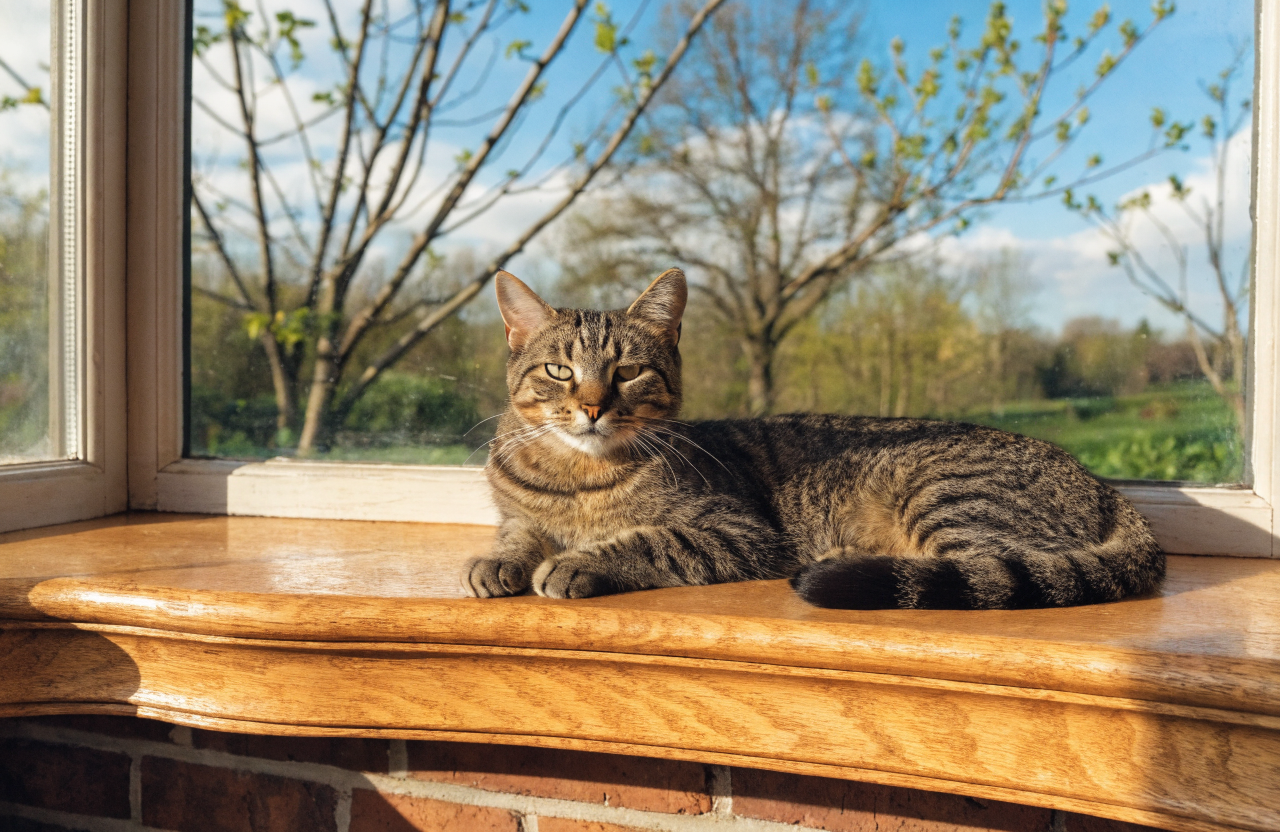

Spring Safety for Pets: Navigating Seasonal Hazards
Key Takeaways
- Recognize common spring hazards for pets, including toxic plants and increased outdoor pests like ticks.
- Learn to identify and manage seasonal allergy symptoms in pets.
- Implement protective measures during spring outings, such as using safe flea and tick prevention.
- Ensure spring cleaning involves pet-safe products and proper storage.
- Schedule regular vet check-ups in spring to prevent and manage health issues.
- Adopt safe gardening practices to protect pets from harmful plants and chemicals.
Spring is a delightful time of the year, but it also introduces certain risks that can affect your furry friends. As plants bloom and temperatures rise, toxic plants, allergens, and pests become prevalent, posing potential threats to your pets' health. Understanding these hazards and knowing how to navigate them will help ensure a happy and healthy season for your pet.
Common Spring Hazards for Pets
Spring brings a plethora of outdoor activities, but it also brings certain hazards:
- Toxic Plants: Plants like lilies, azaleas, and daffodils can be toxic if ingested by pets.
- Increased Allergens: Pollen counts rise in spring, leading to potential allergy symptoms in your pet.
- Outdoor Pests: The warming weather increases the activity of pests like ticks and fleas.
Warning
Some plants like lilies can be extremely toxic to cats. If your cat ingests any part of a lily, seek veterinary care immediately.
Recognizing Seasonal Allergies in Pets
Just like humans, pets can suffer from seasonal allergies. Common symptoms include:
- Itchy skin
- Excessive licking or grooming
- Ear infections
If you notice these signs, consult your veterinarian. Effective management can involve antihistamines, corticosteroids, or hypoallergenic diets.
Tip
Consider wiping your pet's paws and coat with a damp cloth after they come inside to remove pollen and other allergens.
Protective Measures During Spring Outings
Ensure your pet's safety outdoors with these tips:
- Flea and Tick Preventatives: Use vet-recommended products to protect against these common pests.
- Heat Risks: Be mindful of rising temperatures. Provide plenty of water and shade, and avoid strenuous activity during peak heat.
Good to know
According to veterinary sources, tick-borne diseases see a significant rise in spring due to increased tick activity. Prevention is key.
Spring Cleaning and Pet Safety
Spring cleaning can expose pets to harmful chemicals. Ensure you:
- Use pet-friendly cleaning products
- Store chemicals safely and out of reach
Importance of Regular Vet Check-Ups
Spring is a great time for a comprehensive vet check-up:
- Address any emerging allergies or health issues
- Update flea and tick preventatives
- Discuss any changes in diet or lifestyle
Safe Gardening Practices
Gardening is a pleasant spring activity but requires caution:
- Avoid planting toxic plants
- Use pet-safe fertilizers and pesticides
- Keep sharp tools and equipment securely stored
Tip
Consider creating a specific pet-friendly area in your garden where they can safely roam and play.
Enhance Your Pet Care with Pawey
Stay on top of your pet's health this spring with Pawey's Pet Event & Reminders feature. It helps you set reminders for crucial tasks like flea and tick treatments, regular vet visits, and integrates gardening tips to keep your furry friends safe. Never miss an important pet care task again with Pawey as your trusty companion.
Written by
Pawey Team
The Pawey Team shares tips and guides to help you give your pet the best care. Follow our blog for the latest in pet health, wellness, and more.